
Mindful Self-Compassion Training
The Mindful Self-Compassion courses offer a supportive space to explore what it means to relate to yourself with greater kindness, steadiness, and care. Rooted in research on mindfulness and self-compassion, the practices you’ll learn have been shown to support emotional well-being, ease symptoms of anxiety and depression, strengthen resilience in the face of stress, and encourage healthier, more connected relationships.
In the full 8-week course, each week includes a blend of guided meditations, reflective practices, group discussion, and experiential exercises designed to help you bring these skills into everyday life. Together, we’ll explore themes such as:
Bringing mindfulness and self-compassion into daily moments
Meeting difficult emotions and situations with more ease and support
Learning to motivate yourself through encouragement rather than self-criticism
Deepening compassion to support more meaningful relationships
Cultivating the ability to savour positive experiences and appreciate yourself
Understanding self-compassion in the context of caregiver stress and fatigue
Exploring the science behind how self-compassion supports well-being
Over time, this practice can gently shift the way you relate to yourself. Instead of meeting struggle or imperfection with harsh self-judgment, you begin to meet it with awareness and care—right in the midst of real life. With continued practice, this growing capacity for presence, kindness, and connection can support greater emotional balance, resilience, and ease.

What is Self-Compassion?
Self-compassion means relating to yourself with the same care, patience, and understanding you would offer a close friend during difficult moments. When you experience setbacks, struggle, or notice things you’re critical of, it invites you to respond with warmth instead of harsh judgment.
At its core, self-compassion includes three key elements: showing yourself kindness rather than criticism, recognizing that challenges are part of our shared human experience rather than something that sets you apart, and staying mindfully aware of your thoughts and feelings without becoming overwhelmed by them.
Upcoming Experiences
Coming Home to Yourself: A Half-Day Mindful Self-Compassion Retreat
January 16, 2027 from 9-1pm ET
No previous meditation experience required. Come exactly as you are.
You can’t pour from an empty cup. Give yourself permission to pause.
This retreat is an opportunity to gather in community, slow down, and anchor ourselves in Mindful Self-Compassion to reconnect with our inner experience.
What You’ll Need
A desktop, laptop, or tablet with access to Zoom
A webcam and microphone
A stable internet connection
A quiet, private space where you can feel comfortable and undisturbed
Cost- $150*
*Select sliding scale options are available on a first come, first serve basis, as needed.
To register email kinderie4@gmail.com
-
February 17-March 24, 2027
This course meets every Wednesday 6:30-8:00 pm ET.
All are welcome for this course, no prerequisites required. Self-compassion can be learned by anyone.
Mindful Self-Compassion (MSC) is an empirically supported training program designed to cultivate the skill of self-compassion. Based on the groundbreaking research of Kristen Neff and the clinical expertise of Christopher Germer, MSC teaches core principles and practices that enable participants to respond to difficult moments in their lives with kindness, care, and understanding.
Self-Compassion combines both courage and wisdom to provide us with emotional strength and resilience, motivate ourselves with kindness rather than criticism, transform relationships, manage caregiver fatigue, practice the art of savoring and self-appreciation, forgive ourselves when needed, and be our more authentic selves.
Rapidly expanding research demonstrates that self-compassion is strongly associated with emotional well-being, less anxiety, depression and stress, maintenance of healthy habits such as diet and exercise, and satisfying personal relationships.
Course Format
This course runs over six weekly live sessions.
We also gently draw on The Mindful Self-Compassion Workbook by Kristin Neff and Christopher Germer, which some participants like to use alongside the course to support their learning. It’s completely optional, but can be a helpful companion if you enjoy reading and reflection between sessions.
What to Expect
We meet live on Zoom each week, where you’ll see both the teacher and other participants. The sessions are interactive and engaging, with a mix of guided teaching, group reflection, and both small and large group discussions—similar to what you might experience in a classroom setting, but from the comfort of your own space.
No previous experience with mindfulness or self-compassion is needed. That said, some people choose to join after completing an MBSR or MBCT course as a next step in their practice. During the course, we recommend setting aside around 30 minutes a day for informal practice to help integrate what you’re learning.
This course is not intended as a treatment for any specific psychological or physical condition, and it may not be suitable if you are currently experiencing severe difficulties. If you’re unsure, we encourage you to get in touch with us at Kinderie4@gmail.com or read our FAQs—we’re happy to help you decide whether it feels like the right fit.
What You’ll Need
A desktop, laptop, or tablet with access to Zoom
A webcam and microphone
A stable internet connection
A quiet, private space where you can feel comfortable and undisturbed
Cost- $250*
*Select sliding scale options are available on a first come, first serve basis, as needed.
To register email kinderie4@gmail.com

Meditations
About the Teacher
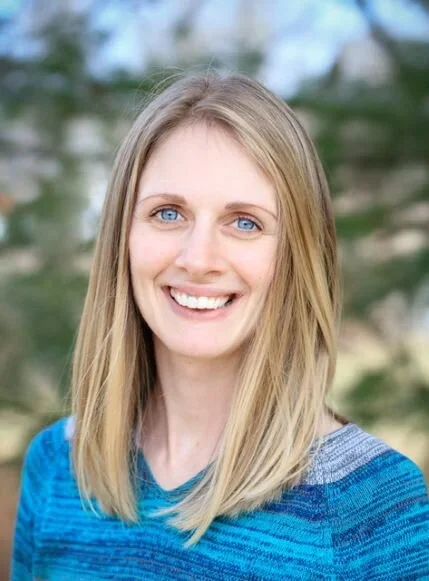
Michelle Jones is a Mindful Self-Compassion (MSC) Teacher from the Erie, PA region. She received MSC training through the Center for Mindful Self-Compassion. She maintains a regular practice of mindful self-compassion, rooted in her deep appreciation for its ability to transform, connect, and heal. She holds a Master’s Degree in Social Work and an AASECT Sex Therapy Certification as she is a therapist in private practice, in her work outside of Kind Erie.
Frequently Asked Questions
-
MSC is based on extensive research in psychology showing that self-compassion practices can reduce stress, anxiety, depression, and self-criticism while improving well-being and resilience.
-
Yes. Many people take MSC after completing MBSR or MBCT as a way to deepen their practice and focus more on self-kindness and emotional support.
-
A device with Zoom (computer, tablet, or laptop), a camera and microphone, a stable internet connection, and a quiet private space if possible.
-
No. The course is designed for complete beginners as well as those who already have a mindfulness or meditation practice.
-
No. While it draws from contemplative traditions, the course is secular and grounded in psychological research.
-
The course can be supportive, but it is not a therapy or treatment program. If you are currently experiencing significant distress, it may be helpful to speak with the course facilitator first to see if it’s the right fit.
-
Sessions usually include guided meditation, short teaching inputs, reflection exercises, and group discussion. There’s also time for questions and shared learning.
-
People often report reduced stress, less self-criticism, improved emotional resilience, greater calm, and a more compassionate inner voice